
If you are anything like me, you developed your author platform over time–as you learned the ropes, as you accomplished things–piecing together a myriad of different components as you went along. While you’ve been diligent about adding content from time to time, after you have done this for a while, these components may not be very cohesive or consistent. When this happens, it is usually prudent to reboot your platform to look back at all that you’ve created, evaluate it as a whole, and make appropriate changes so that everything in it works for you in the best possible way.
You probably already have these components in your platform:
- Author website – a central place where people can read about you, your books, and your accomplishments
- Amazon author page – one of the best places to be seen–Amazon, the world’s largest book retailer
- Goodreads author profile – another good place to be seen–Goodreads, the world’s largest site for readers to discover books
- Personal mailing list – the best way to communicate directly with your fan base
- Social media presence – a good means to promote your books, build relationships, network with others, and establish your author brand
Here are some things to consider as you reboot your platform.
Brand Alignment
Your author brand takes into consideration everything about you as a writer, and from it arises how you are perceived in the literary world. In an effort to establish your brand as a new author, you likely sprinkled around your name, book titles, accomplishments, and other relevant personal information on your website, in your signature block, on social media pages, and on promotional sites. And as time went on, you added things in these and presumably other places.
As time passes and you become a more established author, it may be advantageous to visit all of these places to make sure the content is up to date, and that collectively, everything you wrote about yourself has a similar look and feel. Also, remember that by this time, you may have accomplished something important to your brand that you couldn’t have claimed before. For example, I recently added this tagline to my e-mail signature block, my website, and a few other places.
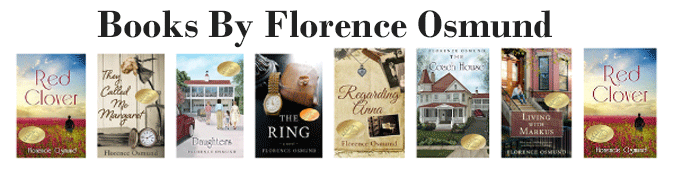
Author of Eight Literary Fiction Novels
One Distinct Voice
Eight-time B.R.A.G. Medallion Honoree
Your brand is just as important as the books you write. Keeping it visible and consistent will only help to promote yourself and your books.
Organic Book Reviews
Unsolicited book reviews can be a powerful tool in your marketing plan. Readers trust what other readers have to say about a book and will more likely consider buying one that has several positive organic reviews. But reviews come with time, so it makes sense to periodically scroll back in your Amazon and Goodreads reviews in particular to snag excerpts that will entice others to buy your book.
You can use review excerpts in tag lines and when promoting your work on social media sites. Add them to the next rendition of your book cover. Use them in ads, pitch letters, and on sell sheets. Include them in promotional materials such as your postcards, bookmarks, and posters. Make use of them in your author profiles on Amazon, Goodreads, and other places where they appear.
Be sure to take advantage of multiple reviewers saying the same thing about your book. Readers will put more credence into what several people liked about your book than what just one reviewer had to say. And when someone asks about your book online, various search engine algorithms will pick up on the repeat acclamations and include them in their summaries.
Strong Bios
The bios we write when we begin our writing career are likely to read much differently from the ones we write after we have a few books under our belt. Therefore, it’s important to occasionally review your bios to ensure they are consistent and include accurate, current information.
If you have used a variety of book promotion sites, you know that they each have a different maximum word length for the author bio. When creating a set of bios for this and other purposes, start with a long one (200+ words). When you have that one perfected, create a few shorter ones from it until you get it down to 50 or less words for your shortest bio.
A bio is often the first impression we make on a potential reader, so don’t miss an opportunity to benefit from this. Showcase your background and accomplishments, but also your personality and perspective on what you write. Allow readers to feel like they know you on a personal level.
There’s nothing like a strong bio to help establish credibility and build a loyal fan base.
Tie your books together
Once you have written more than one book, it is a good idea to tie them together, even if they aren’t directly related. As long as they are in the same genre, it is feasible to make a connection between books. The connection may be with similar characters, settings, plot lines, themes, or writing style.
Connecting standalone books and books within a series is a highly effective way to build reader interest and loyalty. Here are a few examples:
If you liked Book X, you’re going to love Book Y, where the main character is faced with even more familial conflict and difficult decisions.
In Book X, a young boy learns some life lessons the hard way. In Book Y, a young man learns those life lessons were nothing compared to what he has to face.
If you thought the protagonist’s psychological journey in Book X was harrowing, wait until you read Book Y.
Tying your books together helps to strengthen your brand, and in turn, sell more books.
Indie Author Project
While you may not have felt comfortable in the beginning, after you’re established in the publishing world, you may want to check into the Indie Author Project, a community of public libraries, authors, curators, and readers working together to connect library patrons with indie-published books. Authors submit e-books to their local library where they are vetted and considered for “shelving.” Being selected can lead to great exposure. Here’s the link Home – Indie Author Project.
Relevant Newsletters and Podcasts
It takes time to build credibility in your field, so if you’re now at a good place to share what you know, it can be rewarding to write articles for relevant newsletters and podcasts (like this one). Active involvement in the industry can strengthen your brand, sharpen your own craft by learning from others, and facilitate collaboration with other authors.
indieBRAG
Above all, take full advantage of your B.R.A.G. Medallions. Remember that only 30-35% of self-published books submitted earn this award, which means awardees are in the top third of the competition. Join the Facebook indieBRAG Authors Group. Reach out to the indieBRAG community on Facebook, Instagram, Bluesky, and Threads.
https://www.facebook.com/search/top?q=the%20indiebrag%20authors%20group
indieBRAG (@indiebrag.bsky.social) — Bluesky
Geri Dunlap Clouston (@indiebrag) • Threads, Say more
Being a financially successful, self-published author in today’s environment is rough. Amazon doesn’t report how many new book titles they add each month, but estimates are in the 300,000 range. That’s a lot of competition, so it pays to consider every promotional opportunity available to you. Maintaining a cohesive, up-to-date platform that shows people your books are worth reading is one way to stay ahead in the game. It is the front door to your literary world, so make sure it reflects everything you have worked so hard to build.
Leave a Reply
You must be logged in to post a comment.